Development2030 - Beyond the UN SDGs
A new approach with solutions-oriented outcomes
21-22 October 2026 - Palexpo, Geneva
Why attend?
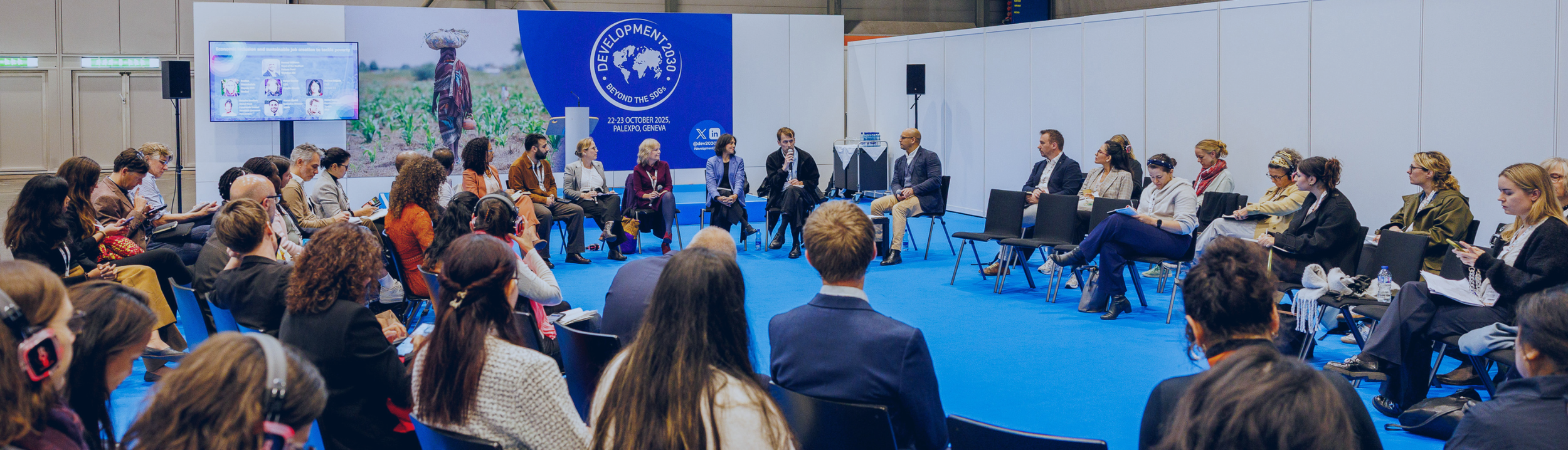
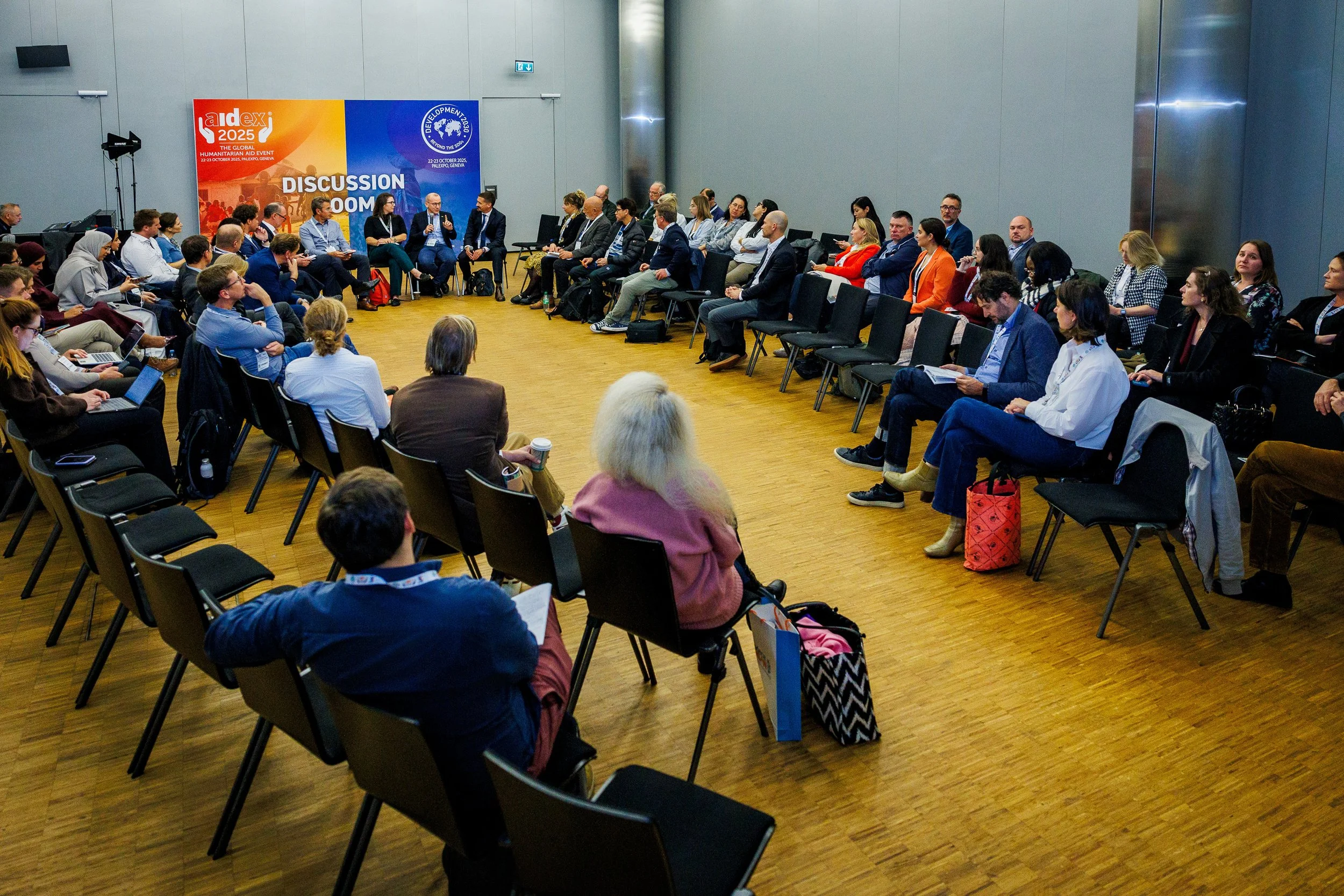
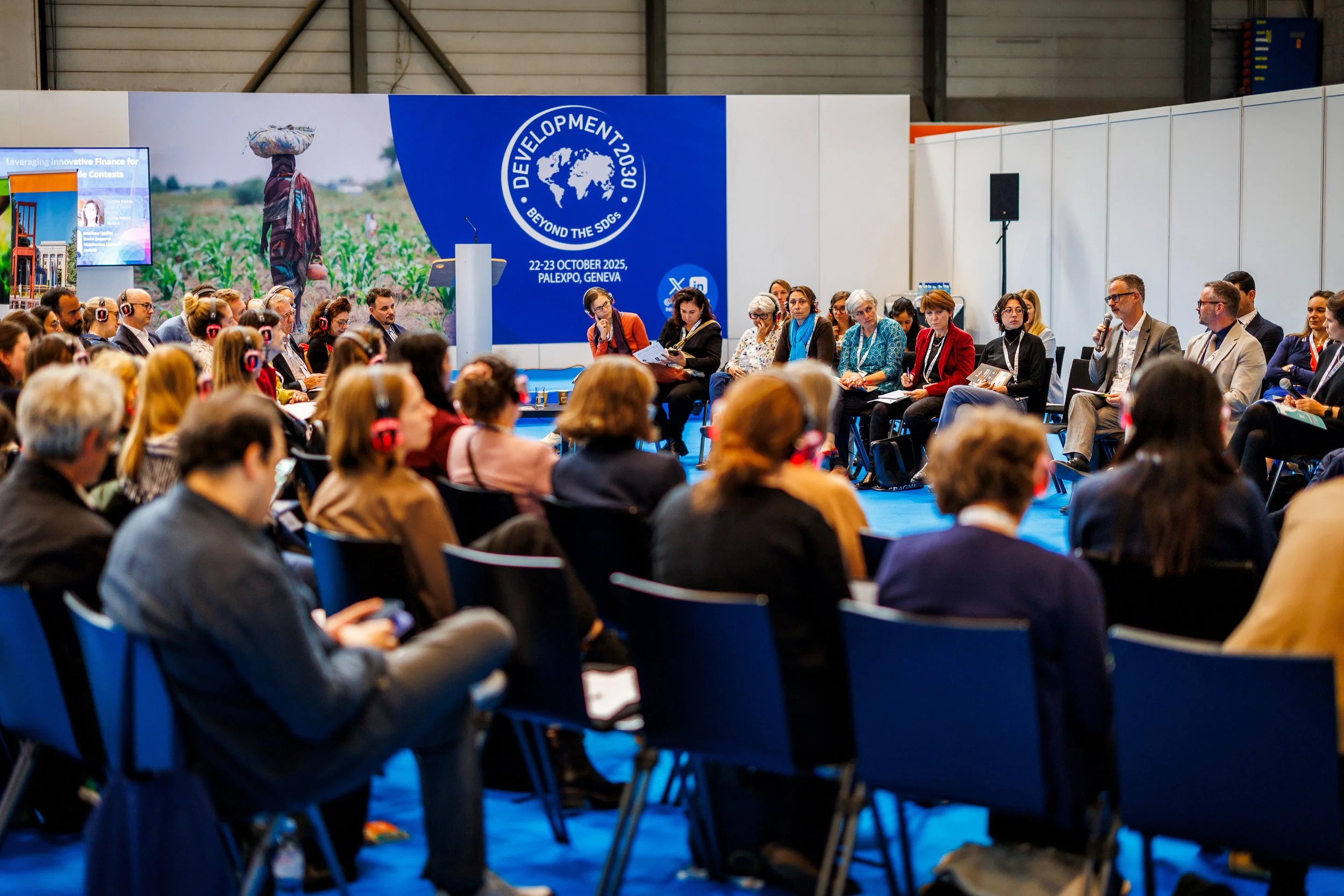
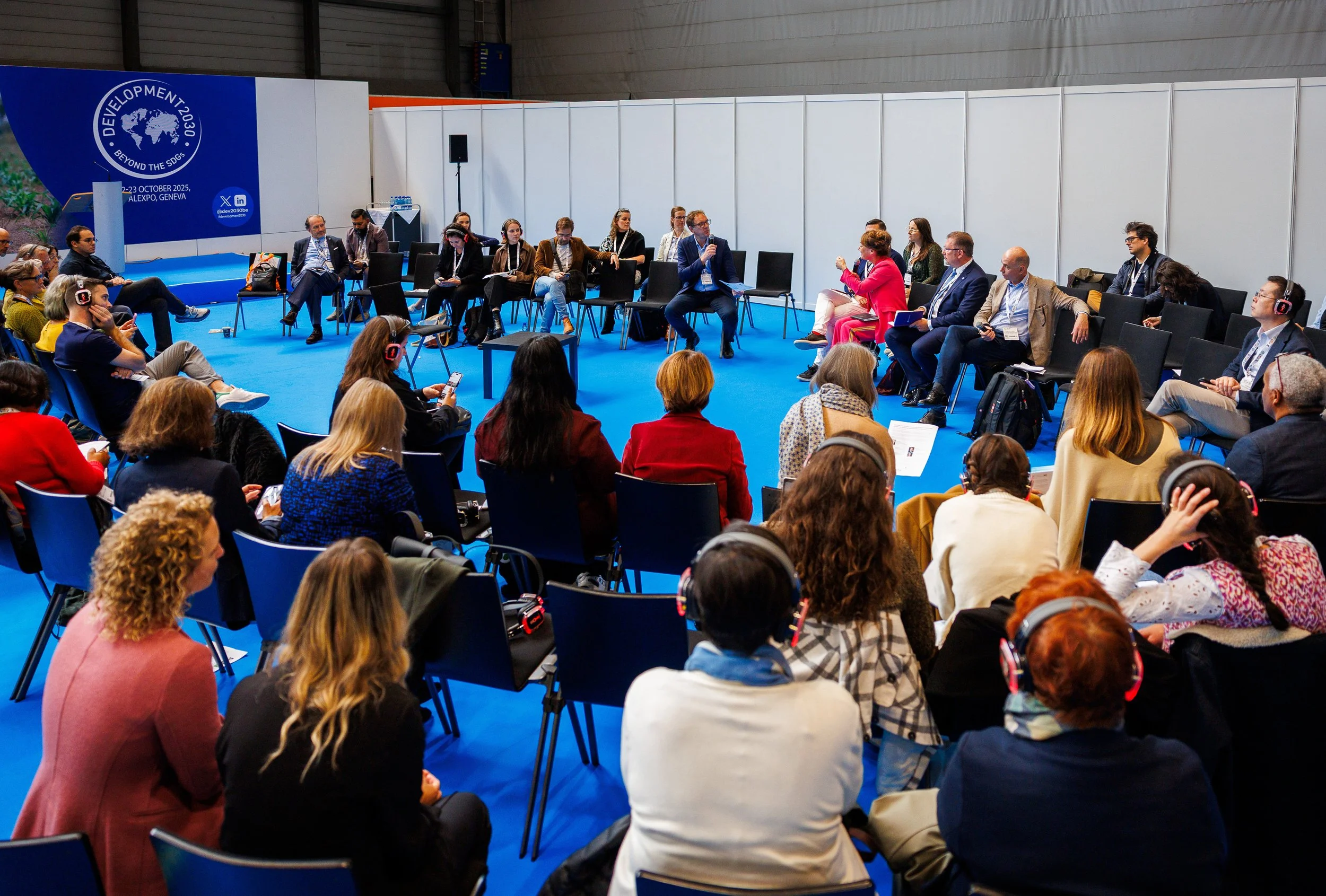
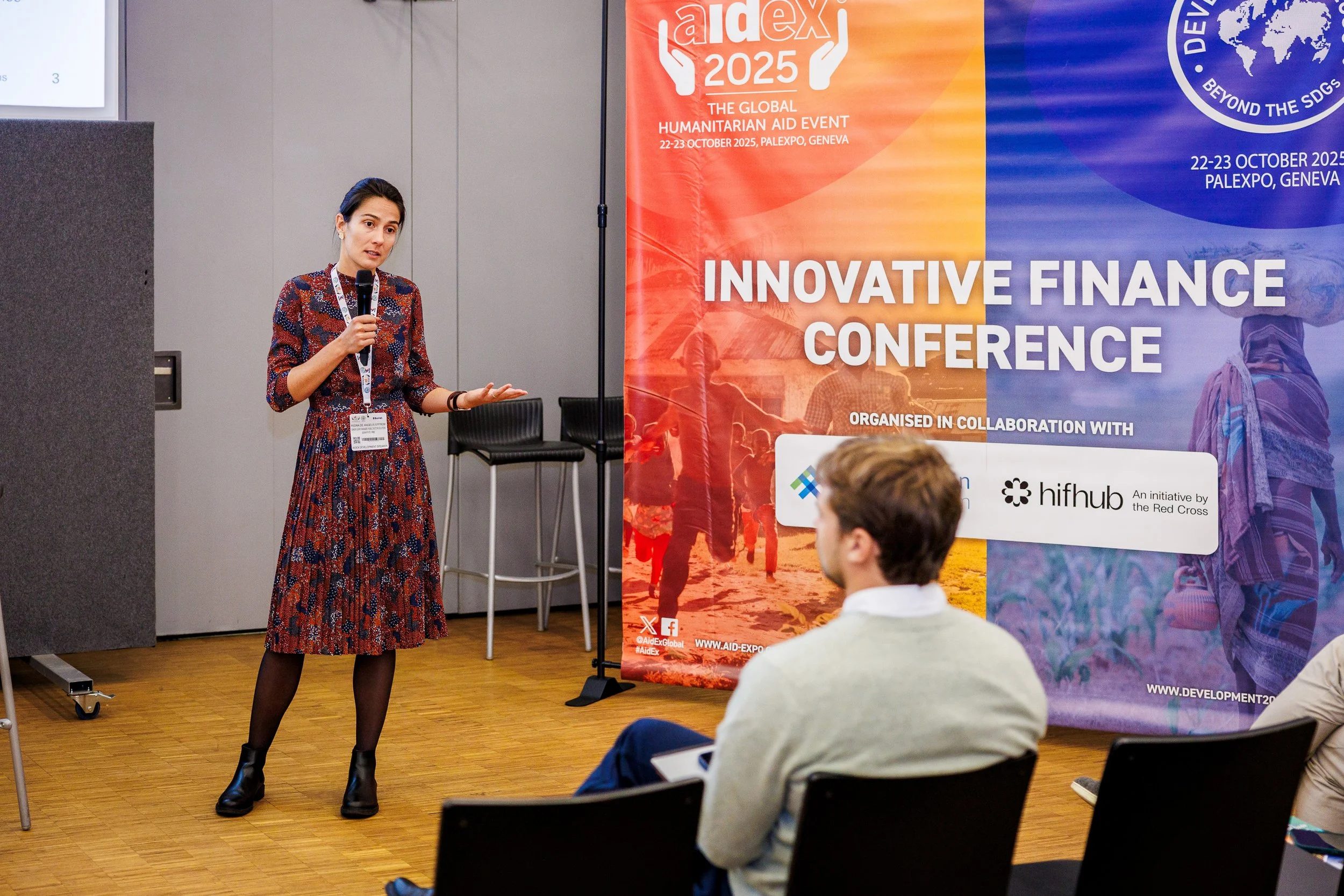
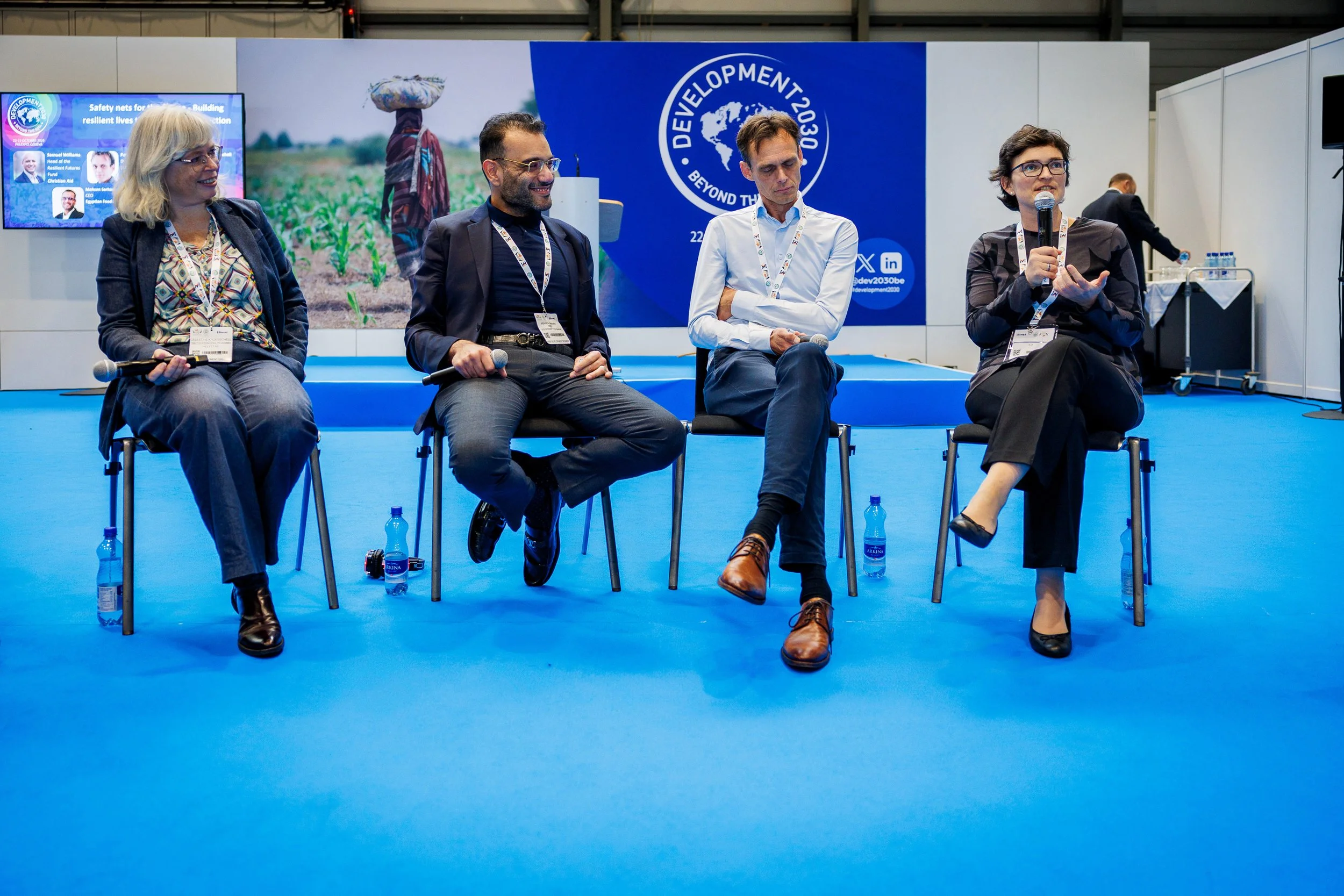
Our approach is different: there are no panels, presentations or pitches – only candid and interactive discussions where everyone in the room can participate. These conversations are designed to create a collaborative and open environment, with a moderator guiding these discussions and encouraging free-flowing dialogue among peers. This format aims to motivate and inspire delegates to challenge ideas, share perspectives and develop innovative solutions.
Life Beyond the SDGs
The international development sector is facing unprecedented turbulence. The dissolution of USAID and recent cutbacks of other international donors have further impacted the struggle to stay on track with the UN Sustainable Development Goals (SDGs). Life beyond the SDGs is inevitable, so it is crucial to establish new frameworks and collaborative pathways for sustainable development.
We focus on four specific goals each year. Through open, solutions-driven dialogue, the sessions identify gaps in achieving the SDGs, address key challenges, propose actionable strategies, and map out sustainable pathways for progress.
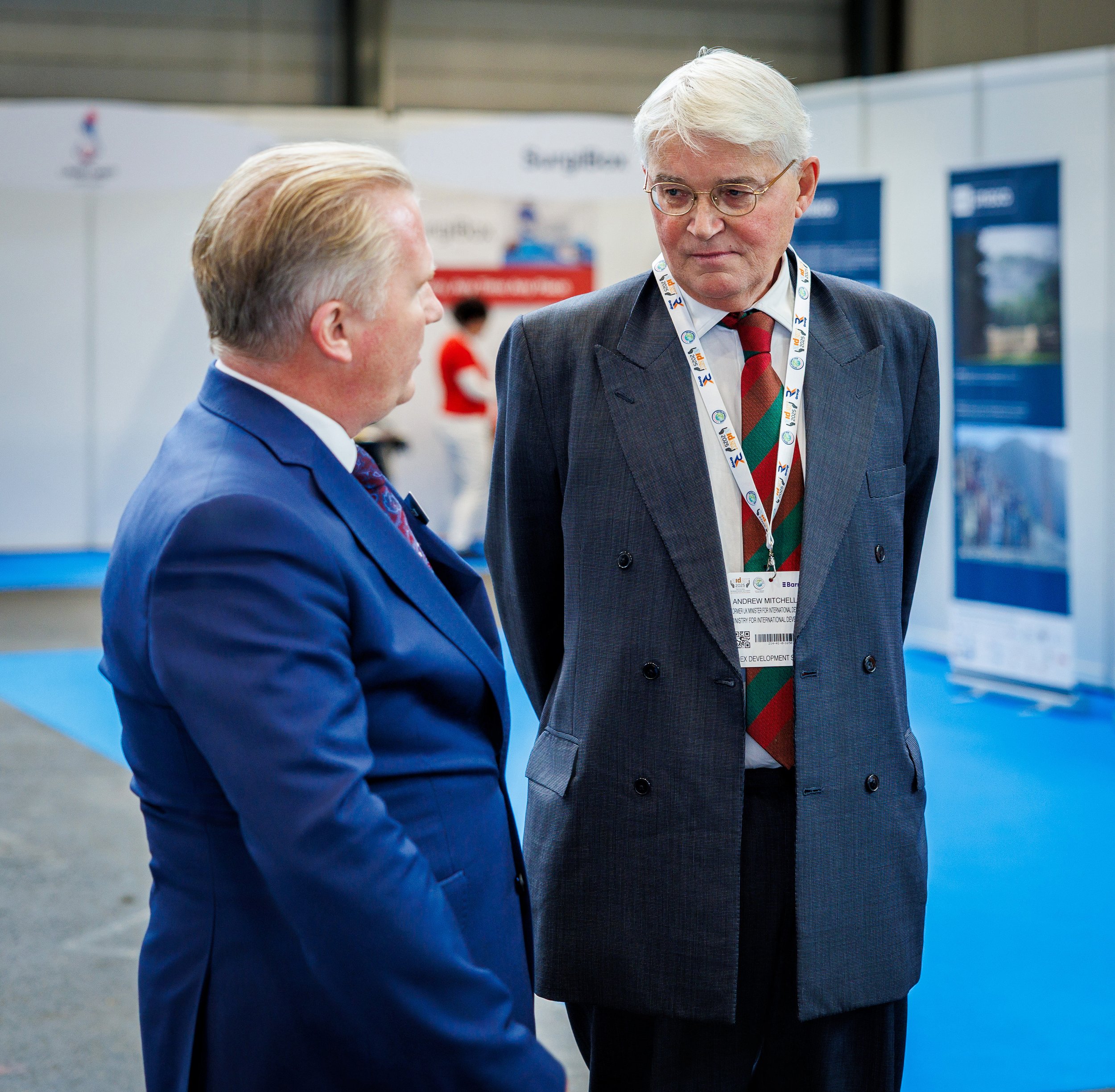
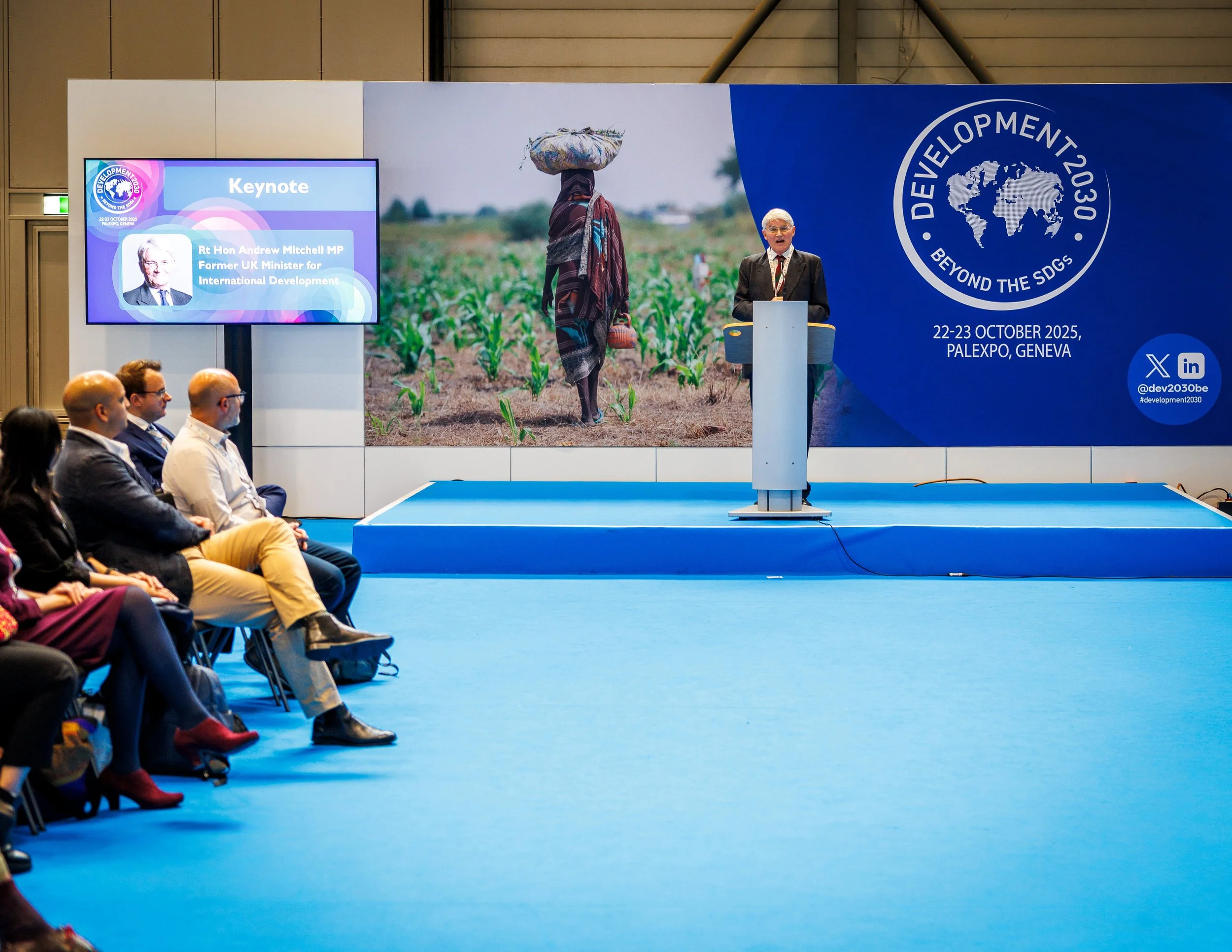
Development2030 is co-located with AidEx, the world’s leading humanitarian aid and disaster relief event; together the two events are attended by over 3000 international development actors, NGOs, foundations, senior economic, social and environmental advisors, members of government, DFIs, IFIs, impact investors, public donors, MDBs, multi-national organisations (such as the UN and EU) and private sector companies.
SDG Focus:

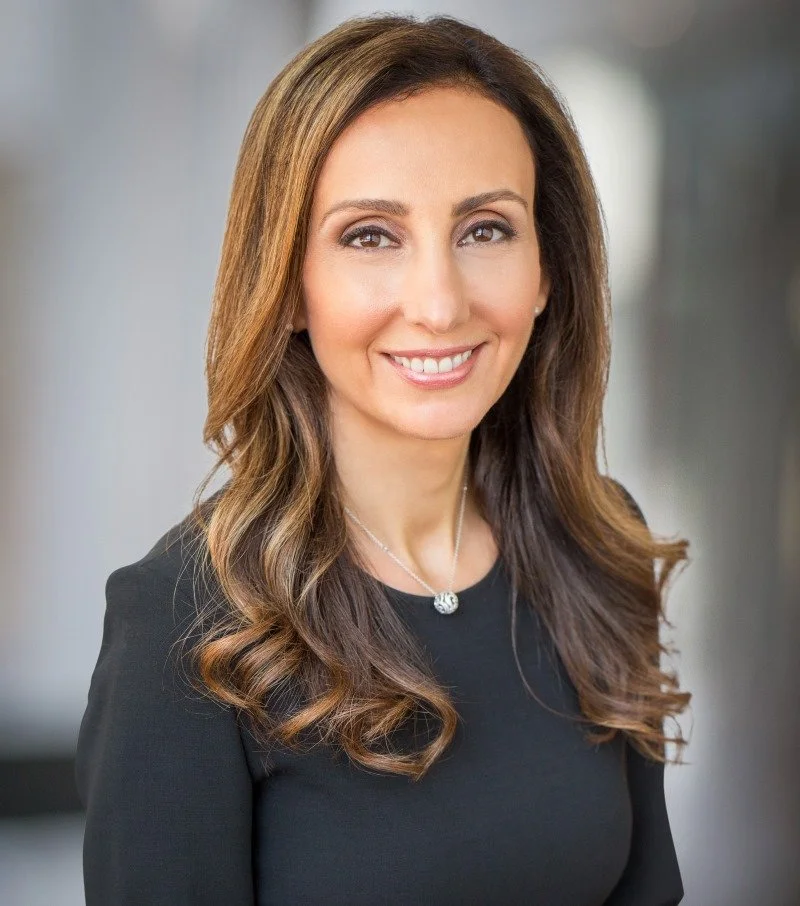
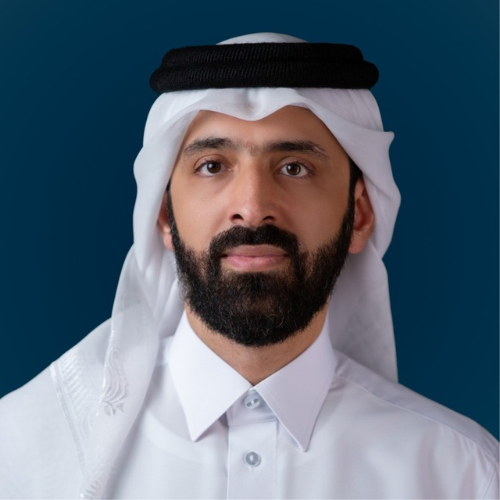
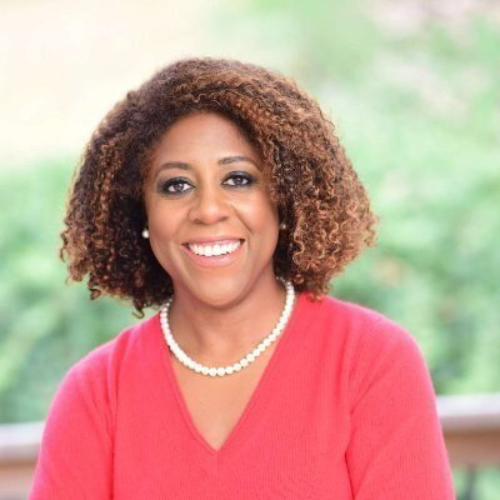
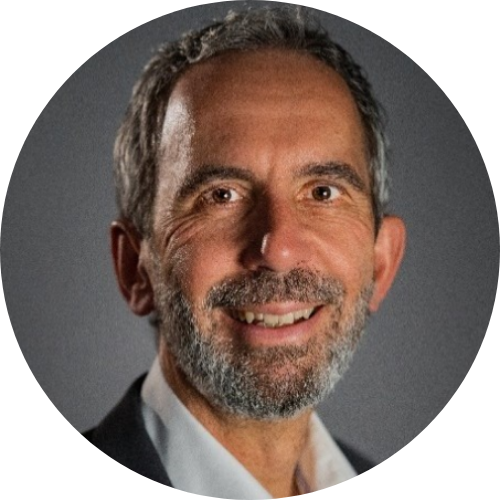
2026 speakers include:
-
![Doogie Black]()
Doogie Black
Chief Executive Officer
Climate Sense
-
![Gregory Renand]()
Gregory Renand
Head
Z Zurich Foundation
-
![Matthias Schmale]()
Matthias Schmale
Assistant Secretary-General and Resident & Humanitarian Coordinator
Ukraine
-
![Marta Valdés García]()
Marta Valdés García
Humanitarian Director
Oxfam International
-
![Maysa Jalbout]()
Maysa Jalbout
Director
Education Cannot Wait
-
![Nawaf Al Hammadi]()
Nawaf Al Hammadi
Deputy CEO for Programmes and Communications
Qatar Charity
-
![Tjada D'Oyen McKenna]()
Tjada D'Oyen McKenna
Chief Executive Officer
Mercy Corp (Prosper Global)
-
![Dominik Stillhart]()
Dominik Stillhart
Head of the Swiss Humanitarian Aid Unit
Swiss Agency for Development and Cooperation (SDC)

Featured sessions
-
This session shifts the centre of gravity from “mobilising capital” to “making capital actually work” in fragile and displacement‑affected contexts. It explores why climate adaptation approaches often fail to deliver sustained impact on the ground, and what needs to change in finance, governance and capabilities to close the delivery gap. Discussion is grounded in enterprise‑level realities, public and DFI perspectives, and catalytic capital, in line with Development2030’s focus on practical, context‑aware solutions.
Expected outcomes
Participants gain (a) a clearer picture of why delivery breaks down in fragile contexts, (b) examples of financing and governance arrangements that better support adaptive delivery, and (c) practical signals on what funders and implementers can do differently to close the delivery gap. -
This session tackles a central blockage in adaptation finance: risk that is misallocated, misunderstood or invisible, particularly in fragile contexts. It brings together DFIs, private investors, enterprises and public actors to unpick how risk is currently distributed along the chain, and how incentives can be rebalanced without distorting markets. The discussion links finance, delivery and metrics, reflecting the Geneva thought piece’s argument that adaptation will only scale when risk is made visible and shared more intelligently.
Expected outcomes
Participants leave with (a) a clearer map of who currently takes which risks, (b) examples of mechanisms that can rebalance risk more fairly and efficiently (first‑loss, guarantees, catalytic capital, pipeline platforms), and (c) an understanding of what kinds of indicators and data are needed for adaptation risk to be priced and managed at scale -
Despite significant investment in poverty reduction, progress toward SDG 1 (No Poverty) remains uneven. Increasingly, governments, development finance institutions, humanitarian organisations, investors, private sector actors and communities recognise that lasting impact requires moving beyond delivering solutions for communities toward building solutions with communities. At a time when humanitarian needs are increasing, development finance is constrained and climate-related shocks are intensifying, strengthening community-led solutions through innovative partnerships and financing is no longer optional ,it is essential for achieving sustainable poverty reduction. Despite growing recognition of the importance of locally led development, critical questions remain about how to translate this ambition into sustainable impact. What does meaningful community leadership look like in practice, beyond consultation and participation? How can locally led initiatives be strengthened to become investment-ready and scalable? And what roles should development finance institutions (DFIs), philanthropy, private sector actors, governments, and civil society play in unlocking finance, fostering partnerships, and creating enabling ecosystems that empower community-driven solutions to deliver lasting poverty reduction?
This session brings together leaders from development finance institutions, humanitarian and development organisations, the private sector, donors, and community organisations to explore how each actor contributes to creating sustainable pathways out of poverty. A defining feature of the discussion will be the inclusion of a community representative as an equal contributor, ensuring that lived experience informs the dialogue alongside perspectives from finance, policy, and practice. By sharing firsthand insights on the journey from vulnerability to resilience, the community voice will demonstrate how locally led solutions are conceived, implemented, and sustained, while challenging traditional development narratives by positioning communities not as recipients of aid, but as collaborators, innovators, and co-designers of lasting change. The session will further explore how private sector expertise, value chains, innovation and investment can complement humanitarian and development efforts by strengthening locally led enterprises, creating sustainable livelihoods to address poverty.
The discussion will combine localisation, economic inclusion, and resilience-building, positioning these as essential and mutually reinforcing elements for achieving long-term poverty reduction at scale.
Session Objective
To explore how governments, development finance institutions, humanitarian actors, private sector partners and communities can collectively create enabling systems that allow locally led solutions to deliver sustainable poverty reduction.
-
Resilience is increasingly recognized as an economic challenge as much as a humanitarian or climate challenge. Communities are strongest when women, young people, persons with disabilities, and other marginalized groups can participate meaningfully in economic life. As climate, economic, and social shocks become more frequent and complex, building resilient economies requires the meaningful inclusion of those most often excluded from economic opportunities. Across the globe, women are driving transformative change as entrepreneurs, producers, innovators, investors, and community leaders. Yet resilience cannot be achieved through women's economic participation alone. Young people, persons with disabilities, and other marginalized groups must also have equitable access to finance, markets, skills, technology, and decision-making opportunities.
This session will explore how women are leading the transformation of economies while creating opportunities that strengthen resilience for entire communities. It will examine how inclusive economic systems can unlock the potential of women, youth, persons with disabilities, and other vulnerable populations to build sustainable livelihoods, adapt to climate change, and contribute to long-term economic growth. Bringing together leaders from business, finance, development, and social enterprise, the discussion will move beyond traditional approaches to economic empowerment and focus on what it takes to create inclusive markets that work for all.
Session Objective
To demonstrate how investing in the economic leadership of women and creating opportunities for youth, persons with disabilities, and other marginalized groups can strengthen resilience, accelerate climate adaptation, and drive inclusive economic growth.
Discussion Areas
1. Women as Catalysts for Economic Transformation and Resilience: How are women-led enterprises and initiatives driving economic growth, strengthening livelihoods, and helping communities withstand and recover from climate and economic shocks?
2. Inclusive Markets That Leave No One Behind: What barriers continue to prevent women, youth, persons with disabilities, and other marginalized groups from fully participating in economic systems, and what approaches are proving most effective in overcoming them?
3. Financing Inclusion and Resilience: How can investors, financial institutions, and development actors better support inclusive entrepreneurship and ensure underserved groups have access to finance, markets, and business opportunities?
4. Building Climate-Resilient Livelihoods: How can inclusive economic models strengthen adaptive capacity, expand decent work opportunities, and support vulnerable communities to thrive in the face of climate change?
5. Partnerships for Systemic Change: What collaboration is needed between governments, businesses, investors, civil society, and communities to scale inclusive and resilient economic development?
-
Despite growing recognition that access to clean water and sanitation underpins health, resilience, gender equality, and economic development, the sector continues to face a significant financing gap. Traditional donor-led models alone are proving insufficient to meet rising demand, particularly in fragile, climate-vulnerable, and rapidly urbanising contexts.
At the same time, a wave of innovative financing approaches is emerging across the WASH sector. Yet many questions remain around scalability, risk allocation, affordability, and whether these models can truly scale and reach underserved and crisis-affected populations.
This session will bring together donors, development finance institutions, utilities, investors, NGOs, and private sector actors to examine what innovative finance for water and sanitation actually looks like in practice and which models are genuinely capable of scaling sustainably.
The discussion will explore:
Which financing mechanisms are delivering measurable impact?
How can investment models work in fragile and low-income settings?
Who should absorb the greatest risks in WASH financing?
How can humanitarian, climate, and development financing become better aligned?
Can private capital support equitable access without undermining affordability?
The session aims to move beyond theory and focus on practical lessons, operational realities, and scaling WASH financing globally.
Development2030 offers tailored packages to companies with innovative, exciting products and services that will support event attendees to reach their development goals.
With four weeks to go, there’s still time to exhibit! Sponsorship and exhibition packages offer matchmaking, networking and lead generation opportunities. Learn more about our demographics and if sponsorship or exhibiting is right for you.
Get Involved
Exhibiting and sponsoring
Delegate Ticket
Our tickets provide access to the Development2030 conference and exhibition, including all main agenda sessions, impact sessions, meeting hub and a range of other experiences.
You also get access to the co-located exhibition AidEx – a world-leading expo for the humanitarian aid and development community.


Join key stakeholders including:
Global Development Actors • Senior Economic, Social and Environmental Advisors and Consultants • Members of Government • Foundations • Fund Managers • Development Finance Institutions • Pharmaceutical and Medical Companies • Technology Providers • Data and Security providers • Shelter and social housing providers • Brands engaged in CSR • Digital Infrastructure Advisors • Financial Services Companies • Insurance and Risk Consultants • Agricultural Businesses • Logistics Companies • Nutrition Specialist • Solar and Renewable Energy Suppliers • Water and sanitation specialists • Communications and Satellite Network providers • Engineering/Civil Engineering Consultancies • Security Providers • Education Specialists • Gender Equality and Accountability Experts • Local and International NGOs • Start-ups/Scale-ups • Donors • Multilateral Agencies • Multi-national Organisations (such as EU and UN) • and many more…

Two Events. One Ecosystem
Development2030 runs alongside AidEx, a conference and exhibition bringing together over 3000 representatives of the humanitarian aid community from over 80 countries gather to learn, network and be inspired by alternative strategies, innovation and sustainable planning.



PROUDLY SUPPORTED BY: